Raghav Sabbu is the director of the Indian online series Kota Factory.
It is an engrossing narrative of IIT candidates in the town of Kota, Rajasthan—a type of seedbed that pulls youngsters from all over the nation for its “mahaul” and also hosts coaching schools worth billions of dollars.

It’s all about the students who are preparing to take India’s most difficult and hardest entrance examinations. Kota has earned the famous repute of producing IIT-ians at breakneck pace throughout the years. Of course, a teacher like Jeetu bhaiya (Jitendra kumar) should have everyone in his or her life. Because the manner in which he resolves the difficulties of each student, whether academic or personal, demonstrates that he is more concerned with the students’ life and future prospects. In today’s society, we have witnessed numerous examples when students do not attain their desired goals; they finish up living their life and never consider a new future. This series, I believe, falls short of stating that there is life beyond IIT and examinations. Students should never lose hope and should always be confident in their ability to begin new chapters in their lives. Nothing can stop them from achieving their goals if they attempt with presence of mind, hard effort, and patience.
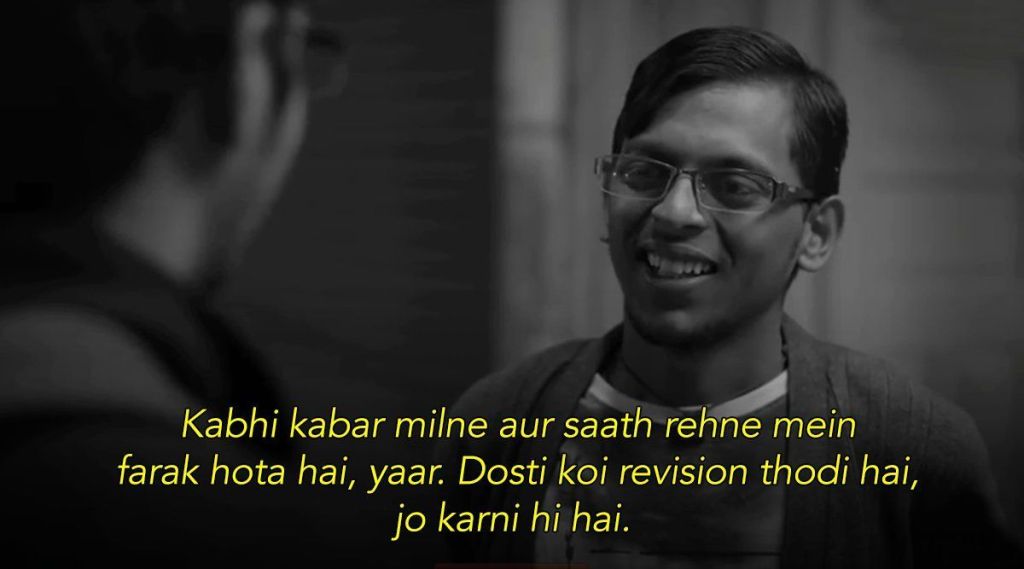
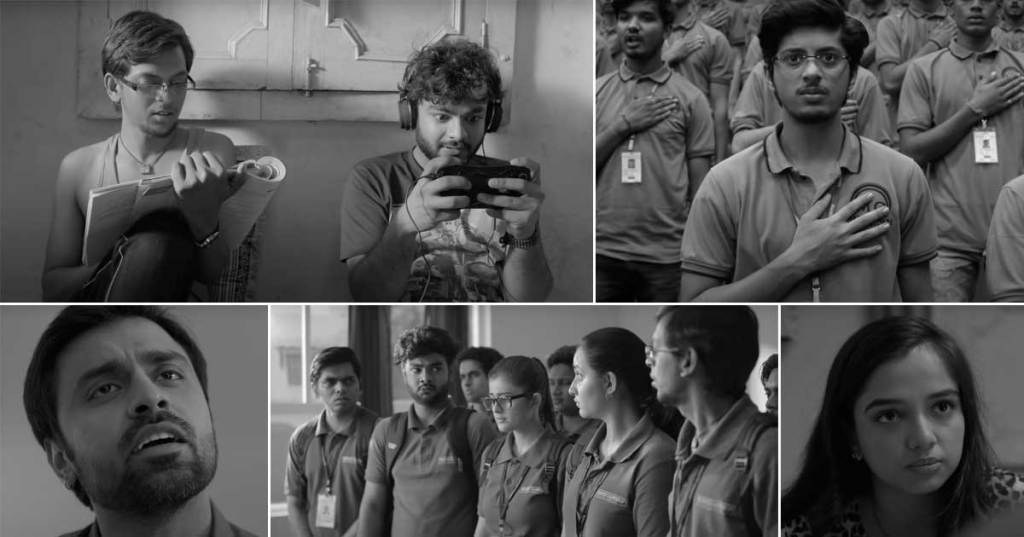
Vaibhav and his classmates at Prodigy struggle with the course, not the system. Their inability to keep up with the demanding course and consume the tasteless food in the canteen is regarded as their personal incapacity rather as an institutional deficiency. Immersed in internal conflicts rather than visionary battles, they do not expect the system to change for them but rather aspire to modify themselves in order to adapt to the system. And when they are unsatisfied with the power system, they find ways to change it without having any desire to change or disturb it. The extended five-episode series benefits greatly from the outstanding performances of Ranjan Raj as Meena and Mayur More as Vaibhav. In many areas, it represents a touching image of a believer going through his stage of life. It also gives a look into the lives of individuals whose lives are too common to be written about, tells of the numerous friendships formed in these outwardly hostile organisations, and demonstrates how, when those friends part ways, a promise to meet again in the future is extracted. The location is never specified. People in Kota want to reestablish themselves in familiar surroundings.

 Aarti Patel