
Humans settled in a dynamic environment and expected that the current system in motion would be maintained until Covid-19 appeared . Inconceivable has occurred with the global spread of acute respiratory syndrome coronavirus, and this pandemic is endangering the lives and routines of millions of individuals. As a result, most governments have proclaimed lockdowns as a precautionary measure for social distance in order to deal with the development of Covid-19.
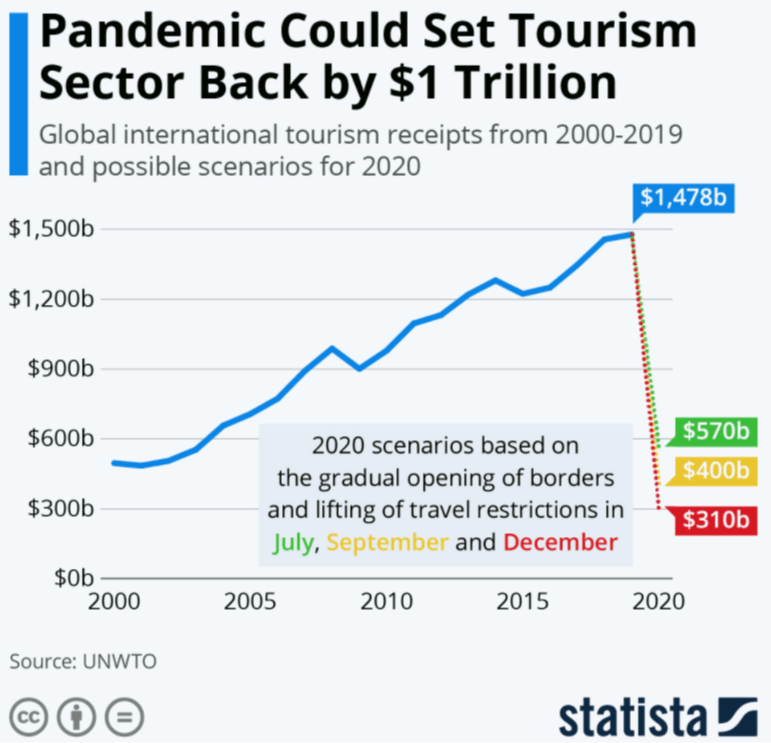
The lockdown has severely shook the economy by affecting many economic sectors, particularly the tourism sector, which has slumped in recent days. As activities inside and beyond India have halted, it has had a direct impact on areas of infrastructure such as airlines, trains, and other forms of transportation; this crushing halt has already had a significant influence on the hospitality business. Because travel is limited, athletic activities have been cancelled and gatherings have been prohibited. Airlines have been delayed, and other forms of land transportation have come to a halt; while business events and conferences have been postponed, cancelled, or conducted online, resulting in a significant loss in activity in all aspects of the tourism sector.
The tourism business in India is one of the most important areas of the Industry in india. Every year, a big number of international visitors visit India. Since the previous decade, the proportion of foreign visitor arrivals has been growing. India is well-known for its kind people, hospitality, diverse lifestyles, cultural history, and diverse terrain . Foreign tourists are drawn to heritage sites, temple and other religious structures, coastal areas and beaches, yoga, Ayurveda, and natural health resorts, and religious and spiritual tourism. As many religious monuments in India are frequented on a regular basis, domestic tourism is experiencing an increase in tourist spots and adventure sports as a result of industrialisation and economic prosperity.
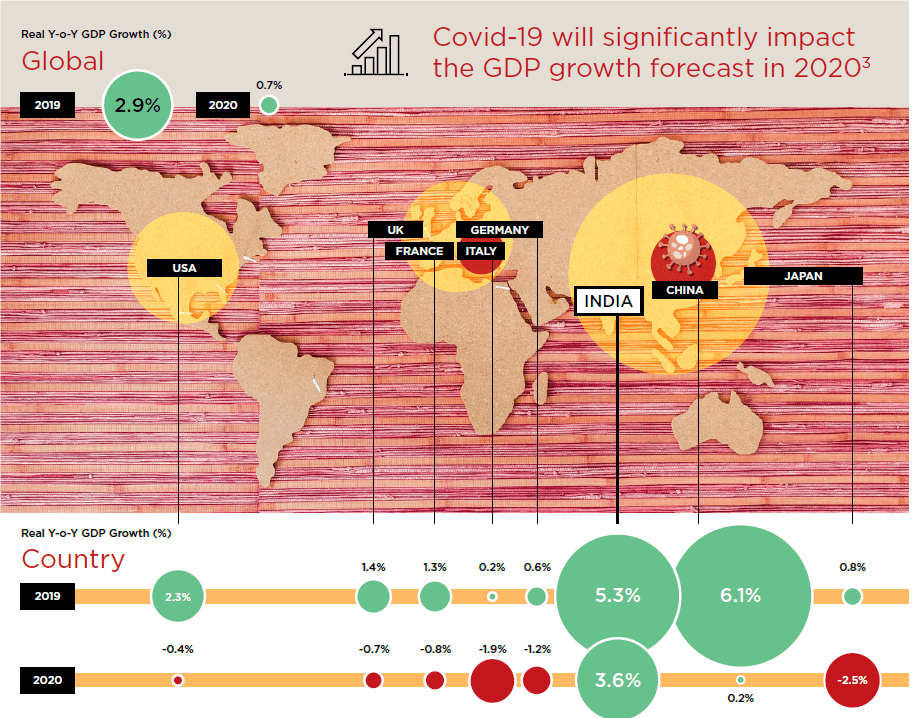
The Covid-19 epidemic has reached prominent worldwide tourism locations including as Spain, Italy, France, and the United Kingdom. As a result, worldwide travellers may migrate toward India’s north-eastern and southern regions, which are significantly less afflicted by Covid-19 and have a lower death rate. Tourism is volatile and seasonal, and it is influenced by a variety of criteria such as GDP, the consumer price index, and the currency rate of the entering nations of visitor arrivals in India. Largest source of tourist share include the United States, the United Kingdom, Canada, and Australia, among others. Their Gross Domestic Product growth rate now ranges between 5 and 9 percent in April 2020, and job losses are significant. As a result, arrivals from these nations are projected to decrease.
Therefore, I would like to conclude that Industry, policymakers, and scholars must work together to design policies that will attract international visitors while also improving sustainability. As the WTTC forecasts significant job losses in this area, a programme for alternative employment is required.

 Aarti Patel