
So today I will be sharing my views regarding menstruation.
Lifelong Learner
Women, the one person who plays such an important role in everyone’s life, whether she is a daughter, wife, sister, mother, or anything else. She is, nevertheless, underappreciated in many fields and in many parts of the world. A woman who is occupied with household tasks or an independent lady with a regular job schedule must prioritise her health. Diseases have no regard for religion, caste, or who you are as a person. It is an issue of a person’s health, or how well he or she keeps fit and healthy. Of course, not all women are concerned about their health across the world. And here is the crucial issue: despite working hard all day and caring for kids, family, and so on, they are fatigued and haven’t even taken a few minutes for themselves to go for a walk or exercise.
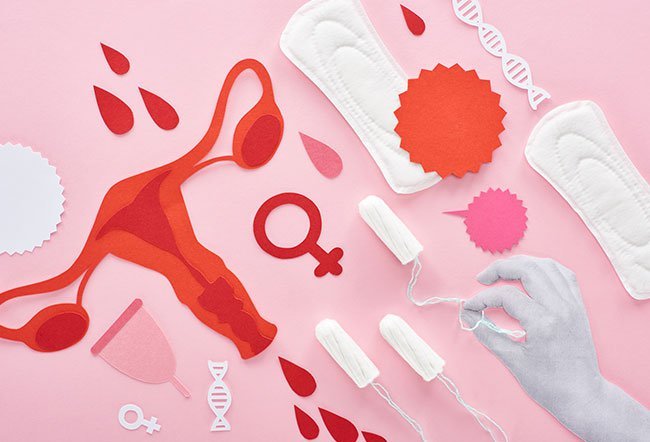
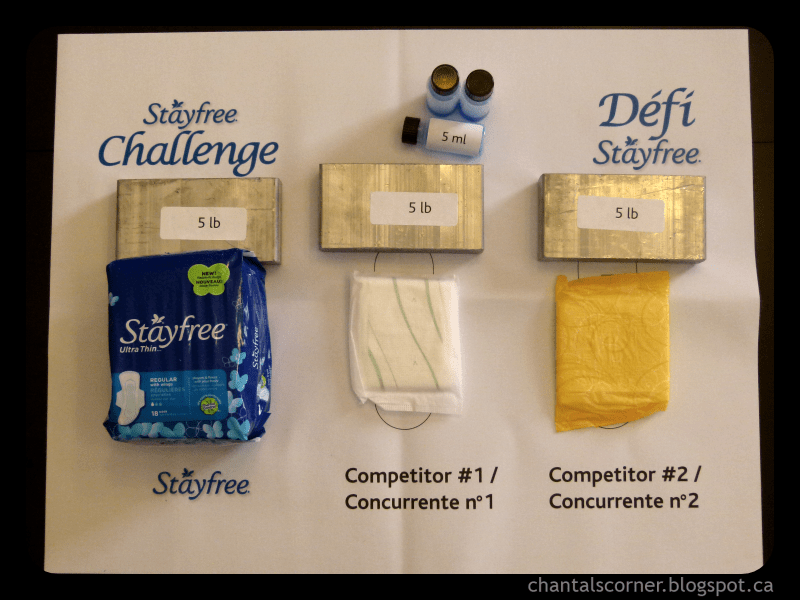
Many girls nowadays are still hesitant to discuss their periods. But why is that? It’s a normal biological process that everyone should be aware of and at ease with!! Bleeding is a blessing in my life. Even if it hurts, every bright red spot is a sign that I’m changing to a WOMAN! WOMEN WHO ARE STRONGER, CAPABLE, AND POWERFUL!!!
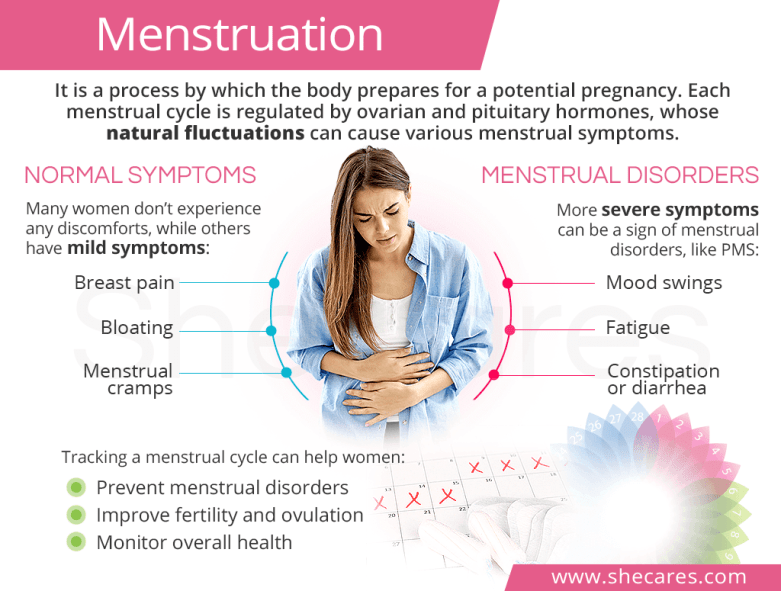
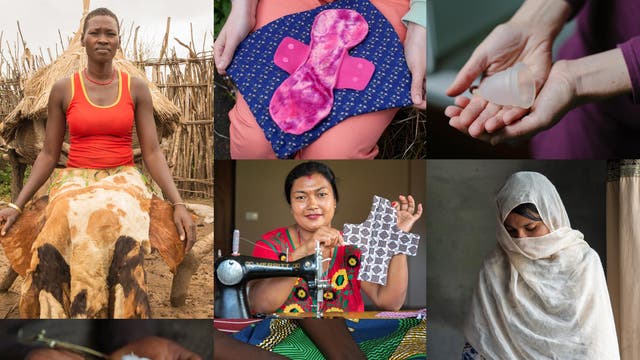
CULTURAL & RELIGIOUS BELIEFS
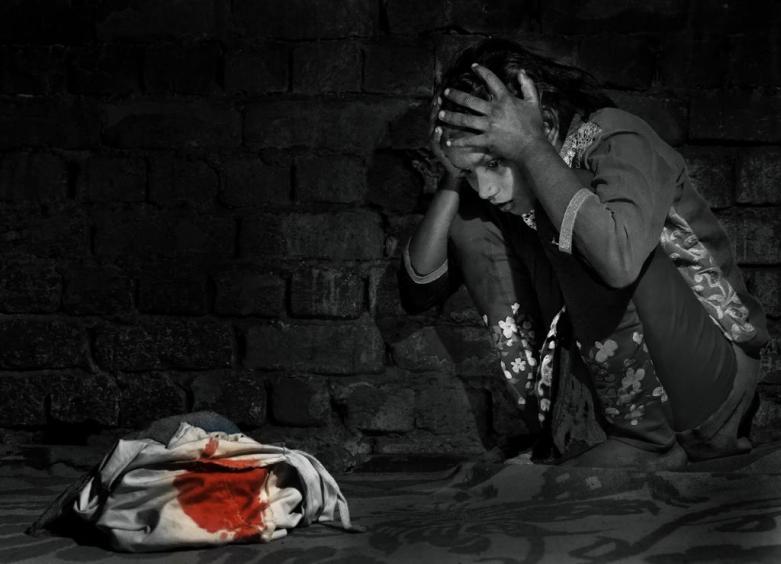
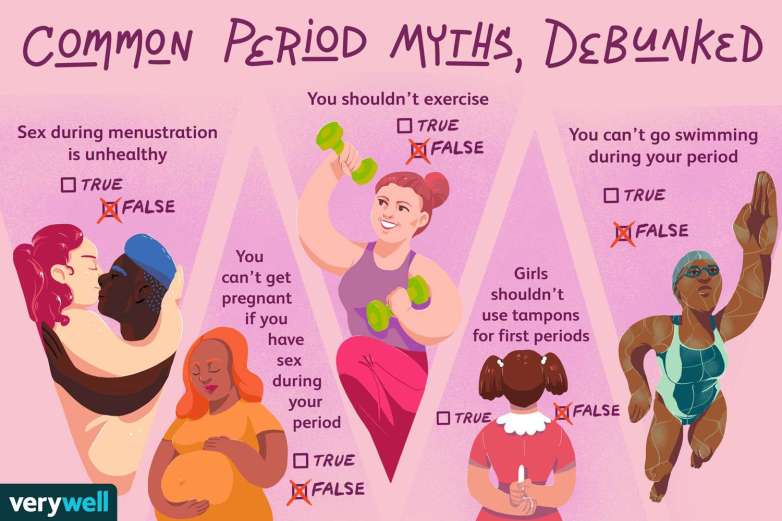
MENSTRUAL hygiene was influenced by cultural norms, personal preferences, knowledge, and beliefs, all of which were linked to menstrual cleanliness. Menstrual flow is considered unclean, contaminating, disgusting, and impure in many sections of the nation. When it comes to menstruation, many women have limitations. They are not permitted to cook, are held in a separate room, and are not permitted to perform pujas at home. The females were then put on tight diets and were not permitted to consume sour foods like curd, pickles, or tamarind since it was thought that these might disrupt or halt the flow. It is also forbidden for menstruating girls and women to give prayers or handle holy books. Even females are not allowed to bathe or wash their hair because it will disrupt blood flow. It is often thought that food cooked by menstruating girls or women is unclean since the body produces an unique ray or odour during menstruation, rendering stored food unfit for consumption. However, no scientific research has indicated that menstruation is the cause of food spoiling in the manufacturing process, as long as normal hygiene precautions are followed. Touching a menstruating woman is hazardous, and stepping on her during religious rites is considered a sin or crime, as well as a curse. While some cultural and religious beliefs are based on no rational or scientific evidence. It is just observed as a custom. Teasing and taunting with unpleasant nicknames are frequent in schools due to a lack of education and social relationships, making it difficult for girls to survive in that environment.
THINK OF YOUR PERIOD AS A GRAMMATICAL PERIOD, AS THE END OF SENTENCE. AND THINK OF EACH MONTH AS THE SENTENCE PART OF THE SENTENCE.
LIVE YOUR LIFE THE WAY YOU WOULD WANT YOUR SENTENCES TO READ
~ JENNIFER KOODY
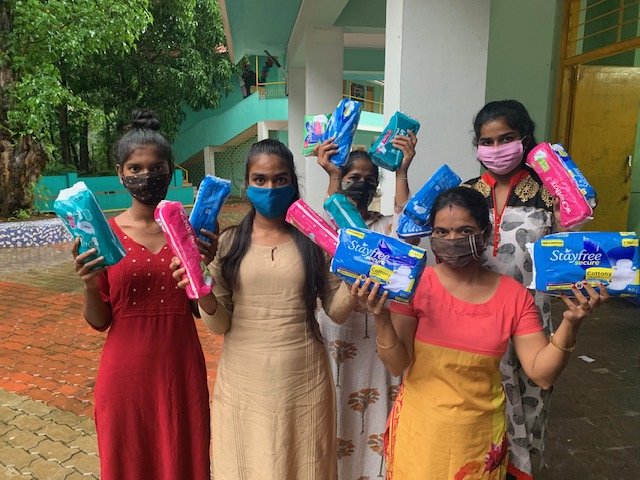
So education is the only way to challenge misconceptions about menstruation. Men have little or no understanding about it, and education plays an important part in this since teaching both men and women will raise awareness among everyone. Men may help women manage menstruation in their homes, schools, workplaces, and communities by playing a variety of roles such as spouses, dads, brothers, students, teachers, coworkers, leaders, and policymakers. Since 2010, the government has been working to improve menstrual hygiene by implementing programmes such as the National Rural Health Mission. They also began delivering free sanitary napkins and pads to rural regions, as well as developing suitable infrastructure for women who live there.
As a result, I feel that not only the government, but also each individual citizen, should raise awareness about menstruation. And by sharing information, all obstacles will be broken down, and many women will be aware of menstrual hygiene, suggesting a safe and secure atmosphere for both men and women, as well as contributing to the nation’s growth.

 Aarti Patel